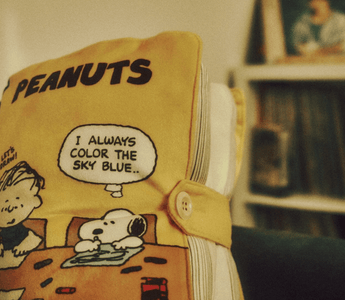
Sony certainly didn't pay peanuts when they recently took control of the Peanuts brand. In fact, they paid $460 million in a deal that blends nostalgia with modern entertainment strategy.
Through Sony Music Entertainment Japan and Sony Pictures Entertainment, Sony has increased its stake in Peanuts Holdings to 80%, buying out the 41% share previously owned by WildBrain. The remaining 20% will stay with the Schulz family, preserving a degree of creative continuity.
For business students, this acquisition offers a textbook example of brand monetisation, intellectual property (IP) strategy, and the risks inherent in heritage-brand expansion.
Background: Why Peanuts, and Why Now?
Peanuts is one of the most enduring IPs in popular culture. Created by Charles Schulz in 1950, the comic strip ran for 50 years and produced nearly 17,000 strips. Characters such as Snoopy and Charlie Brown are instantly recognisable across generations.
WildBrain acquired Peanuts in 2017 and successfully modernised the brand, most notably through a partnership with Apple TV+, introducing Peanuts content to a new digital-native audience. With earnings of $27 million attributable to its Peanuts stake in fiscal 2025, WildBrain demonstrated that the brand still has commercial momentum.
Sony’s deeper investment reflects a broader industry trend: established entertainment groups are prioritising ownership of globally recognisable IP that can be deployed across multiple platforms—film, streaming, music, gaming, and merchandise.
Strategic Reasons Behind the Deal
1. Control over premium IP
By moving from minority to majority ownership, Sony gains strategic control. This allows it to integrate Peanuts more tightly into its ecosystem, aligning content decisions with its wider film, TV, music and gaming strategies.
2. Cross-platform synergies
Sony is uniquely positioned to exploit Peanuts across formats. Sony Pictures can develop animated films and specials, Sony Music can handle soundtracks and branded audio, while Sony’s gaming divisions can explore interactive experiences. This “IP flywheel” model is increasingly central to entertainment strategy.
3. Evergreen, low-risk branding
Unlike trend-driven franchises, Peanuts is largely controversy-free and family-friendly. That makes it attractive to global advertisers, licensing partners and streaming platforms seeking safe, long-term content.
Benefits of the Acquisition
Global reach and monetisation
Sony’s international distribution capabilities mean Peanuts can expand further into Asia, Europe and emerging markets. Merchandise—already popular among younger consumers via fashion-led collaborations—can be scaled significantly.
Long-term revenue stability
Classic IPs often generate steady, predictable cash flows. Seasonal content such as A Charlie Brown Christmas continues to perform strongly, while new content refreshes the brand without replacing its core identity.
Portfolio optimisation
For WildBrain, the sale frees up capital to reinvest in wholly owned brands like Strawberry Shortcake and Teletubbies. For Sony, Peanuts becomes a consolidated subsidiary, strengthening its balance sheet with a globally trusted brand.
Risks and Challenges
Brand dilution
Over-commercialisation is a real risk. Excessive merchandising or poorly received content could undermine the emotional connection that has sustained Peanuts for decades.
Creative tension
While the Schulz family retains a 20% stake, balancing artistic integrity with commercial ambition will be delicate. Heritage brands often face backlash if fans feel authenticity has been compromised.
Changing media consumption habits
Children’s entertainment is increasingly shaped by short-form, interactive and user-generated content. Peanuts must evolve without losing its distinctive tone—no easy task.
Comparable Collaborations and Deals
Sony’s move mirrors other strategic IP plays in recent years. Disney’s acquisition of Pixar and Marvel demonstrated how strong IP ownership fuels cross-platform dominance. More recently, brand collaborations such as Nike x LEGO show how heritage brands can be reintroduced to younger audiences through smart partnerships. Sony itself has pursued similar logic with anime and gaming IPs, integrating storytelling, music and interactivity.
Key Takeaways for Business Students
This deal highlights three critical lessons:
- IP is a long-term strategic asset, not just a creative one.
- Synergies matter—ownership enables deeper value extraction than licensing alone.
- Brand stewardship is as important as growth, particularly for legacy franchises.
Sony’s majority acquisition of Peanuts is less about nostalgia and more about strategic control of timeless IP. If executed carefully, it could ensure that Snoopy and the Peanuts gang remain relevant—and profitable—for generations to come.