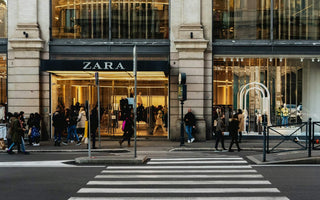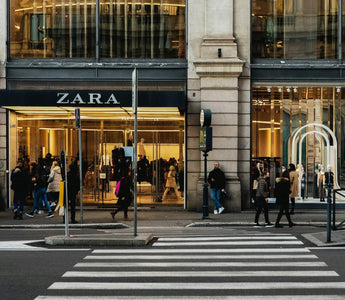
If a retailer closes shops, you might assume it’s struggling.
Fewer customers. Falling sales. Another gloomy story about the future of shopping.
But Zara’s parent company, Inditex, offers a different explanation: sometimes, having fewer shops is part of the growth plan.
What’s happening?
Inditex has grown sales while reducing its global store count. According to Reuters, the number of stores is down 27% from its peak, but total selling space has fallen by just 7%. The group has been prioritising larger flagship locations.
Notice the difference between those two percentages?
The group has considerably fewer shops, but the remaining network still provides most of the selling space.
For business students, that’s a useful reminder: the number of outlets doesn’t tell you how well a retailer is performing.
Bigger isn’t always better. Neither is more.
Imagine a retailer with three small shops in the same city.
Each needs staff, stock, equipment and management. Each comes with rent and other running costs. And some customers might happily use any of the three.
Now suppose the retailer replaces them with one larger, well-positioned store.
It could offer a wider range, create a better shopping experience and reduce duplication. If enough customers move to the new location, the business might retain much of its revenue while using its resources more effectively.
That’s a hypothetical example, but it illustrates the logic behind consolidating a store network.
There are risks, of course. A bigger shop can be expensive, and customers who valued a convenient local branch may simply go elsewhere.
Closing a shop only improves the business if the benefits outweigh the sales and customer relationships lost.
Your phone is part of the shop
Think about how you buy clothes.
You might spot a jacket online, visit a store to try it on and order a different colour later from your phone.
Which channel deserves credit for that sale?
The website introduced the product. The store helped you choose the fit. The app completed the purchase.
This is the idea behind omnichannel retailing: making physical and digital shopping work together.
It also makes performance measurement more interesting. A shop’s value may extend beyond the transactions recorded at its tills. It could help customers discover products, build confidence in the brand and support purchases completed online.
For managers, the challenge is measuring those benefits without using them as an excuse to keep an underperforming location open.
Follow the customers, then open the doors
Inditex is also targeting further growth in the United States, using online order patterns to help identify opportunities for physical stores.
That provides a practical example of data-informed investment.
Rather than relying entirely on forecasts about where customers might be, a retailer can examine where people already buy its products.
Online demand doesn’t guarantee that a new shop will succeed. Rent, competition and location still matter. But it gives management useful evidence before committing money.
What should students take from this?
Business growth can mean improving how existing resources work, as well as adding new ones.
For a retailer, useful measures include sales per square metre, profit margins, customer retention and the return earned on investment. Counting shop fronts tells only part of the story.
So next time you see a store closing, pause before assuming the business is in trouble.
The better question is: what is the company trying to achieve with the shops it keeps?