Parkrun is a free, weekly 5km event held in parks all over the world. It takes place every Saturday morning and is open to absolutely everyone. You can run it, walk it, jog it, push a buggy, volunteer, or just turn up and cheer people on. There’s no cut-off time, no pressure, and no judgement. It’s less about competition and more about participation, community, and getting people moving, whatever that looks like for them.
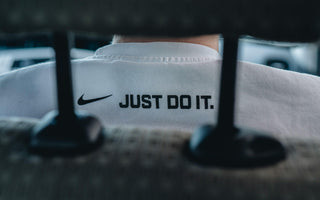
Recently, Nike launched a series of bold, attention-grabbing adverts around parks in London where Parkrun events take place. The messaging leaned into Nike’s classic high-performance tone encouraging people to push harder and not settle for an easy option.
On paper, that sounds very “Nike.” After all, this is a brand built on ambition, performance, and elite sport.
But here’s the problem: Parkrun isn’t about that.
For many people, simply turning up is the achievement. For some, walking the full 5km is a huge personal milestone. Others are recovering from injury, building confidence, or just enjoying being part of something social. When messaging appears that suggests walking isn’t good enough, it doesn’t feel motivating, it feels dismissive.
And that’s exactly how many people interpreted it.
The reaction was swift. Regular participants and supporters pushed back, arguing that the tone clashed with everything Parkrun stands for. For a community built on inclusivity, the idea that some participants were being subtly judged or ranked as less worthy didn’t sit well at all.
What makes this particularly interesting is that Nike hasn’t just faced this issue once. In similar situations, including campaigns in the US, the company has acknowledged that it got the tone wrong, apologised, and admitted it had “missed the mark.” That kind of response is important as it shows awareness and a willingness to adjust, but it also highlights something deeper: even the biggest, most experienced brands don’t always get it right.
So what actually went wrong here?
At its core, this is a classic case of misalignment.
Nike’s brand is built around performance. It celebrates pushing limits, chasing improvement, and striving for more. That message resonates strongly with athletes and highly motivated individuals.
But Parkrun operates in a completely different space. It’s about accessibility, inclusivity, and community. It removes barriers rather than raising them. It celebrates participation over performance.
Individually, both ideas are powerful. But when you drop one into the environment of the other without adapting the message, you create friction.
And in marketing, friction quickly turns into backlash.
Another issue here is tone. Advertising isn’t just about what you say, it’s about how it feels to the person reading it. A message that’s meant to inspire one group can easily come across as condescending to another. In this case, what may have been intended as motivational came across, to some, as elitist.
There’s also the way the campaign was delivered. This wasn’t a carefully coordinated partnership or a sponsored event. It was guerrilla-style marketing - unexpected, attention-grabbing, and designed to spark a reaction. That approach can be very effective, but it comes with a trade-off: less control. When you don’t engage with the community you’re stepping into, you risk misjudging how your message will land.
And when it lands badly, you don’t get to control the narrative.
Kirsty Woodbridge, head of communications at Parkrun UK, criticised the campaign in a statement on LinkedIn, telling Nike that its "elitist messaging is not welcome at parkrun".
She said "To anyone thinking about coming to parkrun, walking, running, volunteering, coming to watch, whatever the hell you like, ignore this rubbish".
This is a really useful reminder that marketing isn’t just about creativity or bold ideas. It’s about context. A message that works brilliantly in one setting can fail completely in another.
The key question isn’t just “Is this a strong message?” but “Is this the right message for this audience, in this environment, at this moment?”
Nike’s campaign wasn’t weak. It was just in the wrong place.
And that’s the real lesson here.
Because in today’s world where communities are vocal, connected, and quick to respond getting that balance right matters more than ever.