




DipIFR Diploma in International Financial Reporting eLearning - 12 Months Access
Couldn't load pickup availability
Gain a strong understanding of IFRS and earn your DipIFR qualification with confidence. Your DipIFR course from ExP provides a clear, structured and highly supportive learning experience - designed to help you master the IFRS framework, apply standards to real-world scenarios and perform strongly in the exam.
Your DipIFR course includes:
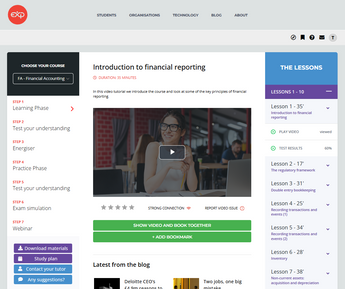
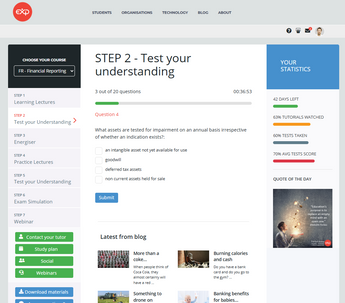
- Clear Tuition Videos – Expert-led teaching that covers the entire DipIFR syllabus, with IFRS topics explained step by step
- Exam-Standard Practice – Tutorials featuring exam-standard questions and past exam scenarios to build strong application and analysis skills
- Motivation Support – A focused energiser and a dedicated webinar to keep your preparation consistent and effective
- Comprehensive DipIFR Study Materials – High-quality, exam-aligned materials that support your full understanding of IFRS
- Interactive Activities – Reinforce your understanding and highlight areas needing deeper review
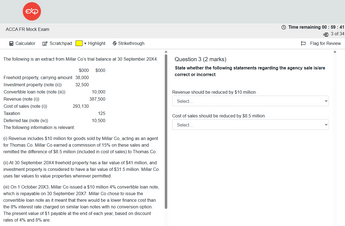
- CBE-Style Mock Exam – A full exam-format simulation that mirrors the real DipIFR assessment
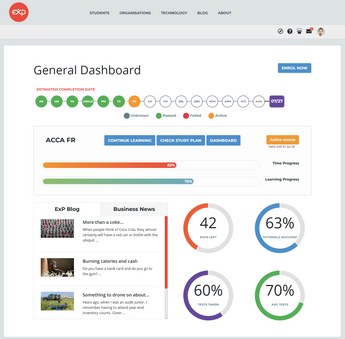
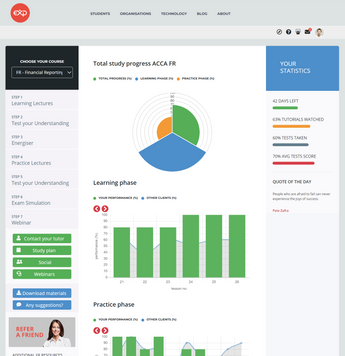
- Personalised Study Plan – Tailored to your schedule, pace and intended exam sitting
With ExP, you gain the structure, clarity and expert support needed to master IFRS and pass DipIFR with confidence.
Choose the option that suits your learning style:
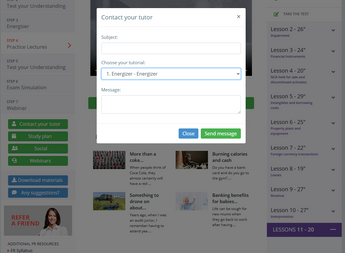
- With tutor Q&A support: Includes access to our “Ask the Tutor” feature within the course portal, allowing you to submit up to 10 questions for expert guidance throughout your studies.
- Self-study only: Full course access for learners who prefer to study independently, without tutor interaction.

Everything you need to pass your DipIFR exam with ExP is included




Trusted. Rated. Recommended.
Don’t just take our word for it - see what real students have to say about their ExP experience and results.
Trusted by the best
Proud to serve leading global companies through our world-class training solutions.

































What you’ll study in DipIFR
Explore the key syllabus areas of the DipIFR exam, from core IFRS principles to consolidated financial statements.
The DipIFR Syllabus
The DipIFR syllabus develops your understanding of international financial reporting standards — covering everything from the fundamentals of IFRS to the preparation of consolidated financial statements. You’ll gain practical insight into applying these standards, meeting disclosure requirements, and producing compliant financial reports, equipping you with the skills and confidence to excel in the DipIFR exam.
A International sources of authority
- Role and structure of the IASB and standard-setting process
- Conceptual Framework for Financial Reporting
- Definitions of elements of financial statements
- Role of the International Sustainability Standards Board (ISSB)
- Ethical and professional principles in applying IFRS
B Elements of financial statements
- Revenue recognition and contract accounting
- Property, plant, equipment, and investment property
- Impairment of assets and depreciation
- Leases (lessee and lessor accounting)
- Intangible assets and goodwill
- Inventories and biological assets (agriculture)
- Financial instruments and hedge accounting
- Provisions, contingencies, and liabilities
- Employee benefits and share-based payments
- Taxation (current and deferred)
- Foreign currency translation
- Exploration and evaluation expenditure
- Fair value measurement
C. Presentation of Financial Statements and Additional Disclosures
- Structure and presentation of financial position, performance, and equity
- Earnings per share (basic and diluted)
- Events after the reporting period
- Accounting policies, estimates, and prior period errors
- Related party disclosures
- Operating segment reporting
- SME reporting requirements
- Reduced disclosures for subsidiaries without public accountability
- Sustainability disclosures
D. Preparation of External Financial Reports for Combined Entities, Associates, and Joint Arrangements
- Preparation of consolidated financial statements (SFP, SPL, SOCIE)
- Business combinations: intra-group adjustments (balances, profits, loans, dividends)
- Fair value adjustments on acquisition
- Accounting for associates and joint arrangements
- Disposal of subsidiaries and recognition of gains/losses