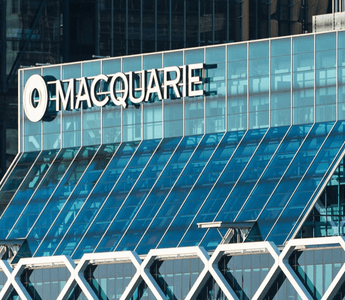
Macquarie Bank’s London branch was recently fined £13 million after a trader created fake trades to hide losses. This case highlights the importance of strong systems and ethical practices in business. It’s a real-world example of what happens when controls fail.
What Happened?
From 2020 to 2022, Travis Klein, a trader at Macquarie’s London metals and bulk trading team, made over 400 fake trades to cover up his losses. Klein had been told to reduce the risks in his trading book, but instead, he falsified records to make it look like he was complying.
Macquarie discovered the scheme during a routine inspection in early 2022. Along with creating fake trades, Klein also altered broker quotes to hide his losses. The bank spent nearly $58 million to undo the damage caused by these trades. While no customers or markets were affected, the case revealed serious flaws in Macquarie’s internal systems.
Why Weren’t the Fake Trades Detected?
The UK’s Financial Conduct Authority (FCA), which oversees banks, found that Macquarie’s systems had major weaknesses. The bank was already aware of these issues but didn’t address them quickly enough. This allowed Klein to continue making fake trades for nearly two years without detection.
Steve Smart, a senior official at the FCA, pointed out that risk can come from inside your organisation.
What Were the Consequences?
Travis Klein was banned from working in financial services due to his dishonest actions. The FCA wanted to fine him £72,000, but Klein successfully argued that he couldn’t afford it, so the fine was waived.
For Macquarie, the £13 million fine and $57.8 million loss underscore the importance of strong internal controls. Although the bank stated that the incident didn’t hurt its overall finances, its reputation likely suffered.
Lessons for Business Students
- Strong Systems Are Crucial: Effective internal controls can catch problems early and prevent significant losses. Regular updates and checks are essential.
- Address Issues Promptly: If Macquarie had fixed its system weaknesses earlier, much of the financial damage could have been avoided.
- Ethics Matter: Klein’s actions demonstrate how dishonesty can harm not only an individual’s career but also the organisation they work for.
- The Role of Regulators: The FCA’s fine shows how regulators hold businesses accountable. Understanding their role is important for anyone considering a career in business.
What Did Macquarie Say?
Macquarie described the fake trading as an isolated incident involving one person. The bank emphasised that no clients or markets were affected and that it cooperated fully with the FCA’s investigation. Since the incident, Macquarie has improved its internal systems to prevent similar issues in the future.
Conclusion
The Macquarie case is a valuable lesson for aspiring business professionals. It demonstrates the importance of strong systems, timely action, and ethical behavior in the workplace. This example highlights how poor decisions and weak controls can lead to costly consequences. Building a culture of trust and responsibility is essential for long-term success.